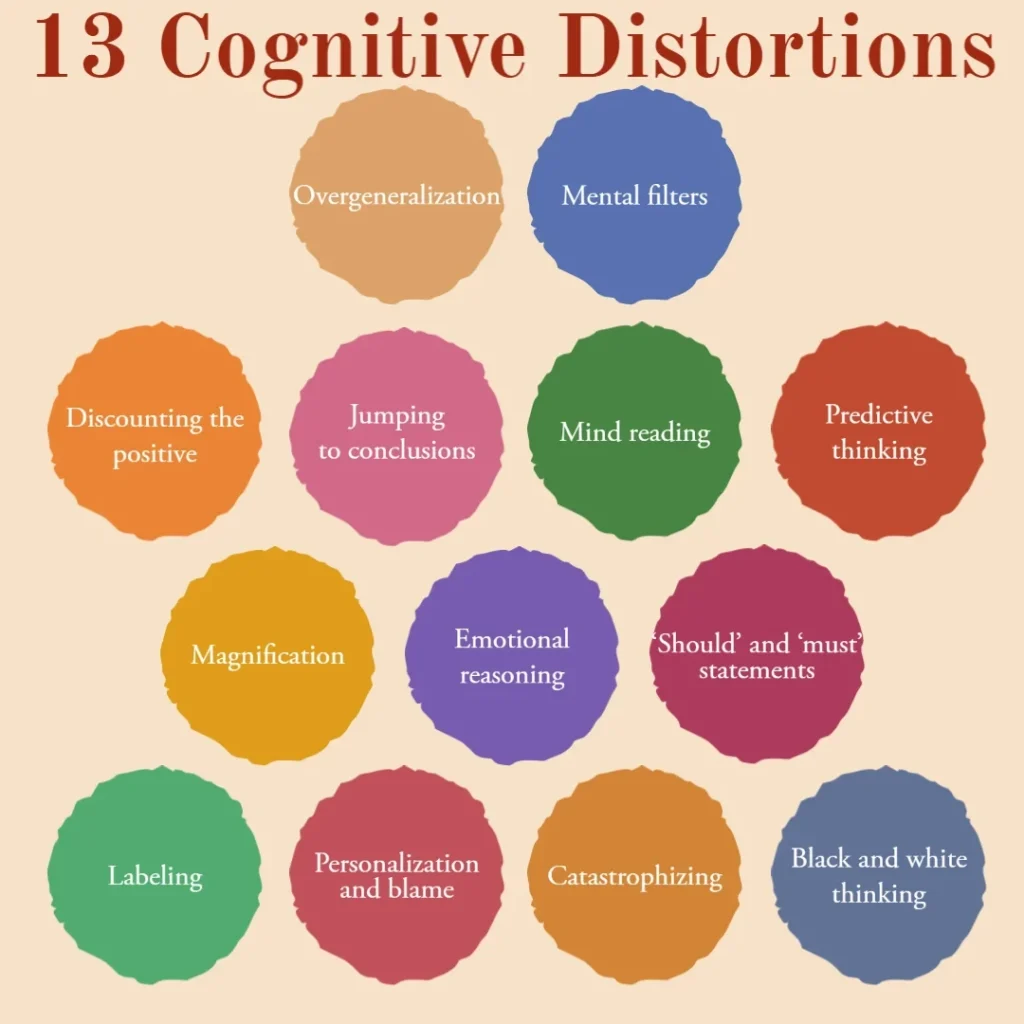
CBT stands for Cognitive Behavioral Therapy. It’s a widely used, evidence-based form of talk therapy that helps people understand and change unhelpful thought patterns and behaviors.
CBT is based on the idea of: Thoughts → Feelings → Behaviors
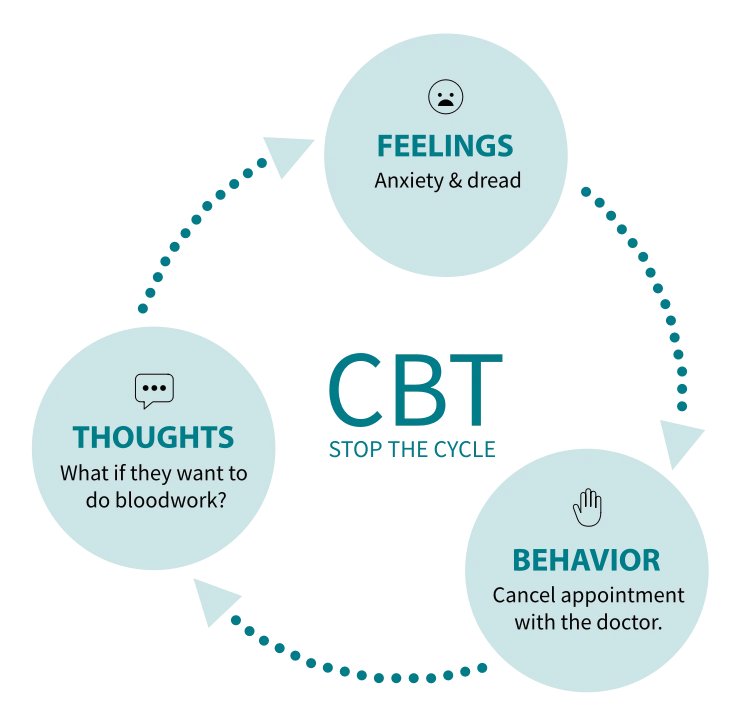
If someone’s thoughts are distorted or overly negative, their emotions can change leading to unhelpful actions and behaviors. CBT helps identify those thoughts and replace them with more balanced, realistic ones.
What Cognitive Behavioral Therapy looks like in practice
In CBT, a therapist helps the person:
- Notice automatic thoughts (often fast and unconscious)
- Question whether those thoughts are accurate or helpful
- Practice alternative ways of thinking
- Change behaviors that reinforce distress
It’s practical, structured, and goal-oriented.
What CBT is commonly used for
CBT is effective for:
- Depression
- Anxiety disorders
- Panic attacks
- Phobias
- Mild to moderate PTSD
- Stress management
How Cognitive Behavioral Therapy differs from trauma-focused therapy
CBT works well when distress is mainly driven by current thinking patterns.
However, when trauma is involved:
- CBT helps manage symptoms
- But it may not fully process stored traumatic memories in the body
People with PTSD often benefit from CBT combined with trauma-specific therapies like EMDR.
Strengths of Cognitive Behavioral Therapy
- Clear tools and homework
- Skills that can be used immediately
- Strong research support
- Short-term for many people
Limitations
- Less effective for deeply stored trauma by itself
- Can feel “intellectual” when emotions are overwhelming
Depending on your particular issues and concerns, Lisa can use CBT to challenge distorted thinking and help you learn to think more clearly. Call today to schedule an appointment.