

A good therapist fit matters as much as the type of therapy. Even the best method won’t help if the relationship doesn’t feel right. Here are some tips on how to pick your therapist.
1. You feel emotionally safe with the Therapist
- You don’t feel judged, shamed, or dismissed
- You can disagree or say “that didn’t help”
- You leave sessions feeling understood, even if emotions are stirred up
Safety doesn’t mean comfort all the time—it means respect and trust.

2. The Therapist listens more than they talk
A good therapist:
- Lets you finish thoughts
- Reflects what they hear accurately
- Doesn’t rush to fix or lecture
You should feel heard, not managed.
3. The Therapist explains what they’re doing
They can answer:
- Why are we focusing on this?
- What kind of therapy are you using?
- How does this help my goals?
Transparency builds trust.

4. The Therapist respects your pace
Especially with trauma:
- They don’t push you to disclose too much too fast
- They help you regulate emotions before digging deeper
- They check in if something feels overwhelming
5. The Therapist is trained for your needs
For example:
- PTSD or trauma → EMDR, somatic, or trauma-informed training
- Postpartum or birth trauma → perinatal mental health experience
- Relationship or family issues → systems or attachment-based training
Credentials matter, but relevant experience matters more.
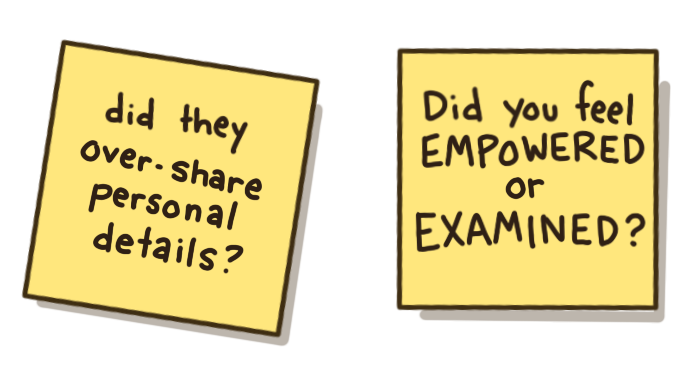
6. You feel a sense of collaboration with the Therapist
A good therapist works with you:
- Goals are mutual, not imposed
- Feedback is welcomed
- Adjustments are made if something isn’t helping
7. You notice small signs of progress with this Therapist
Progress can be subtle:
- Feeling calmer after sessions
- Reacting less intensely
- Gaining clarity or language for emotions
- Feeling more hopeful or grounded
Big change takes time, but something should be shifting.
What is your experience with therapy?
Pick your Therapist today and contact Lisa today to schedule an appointment.